
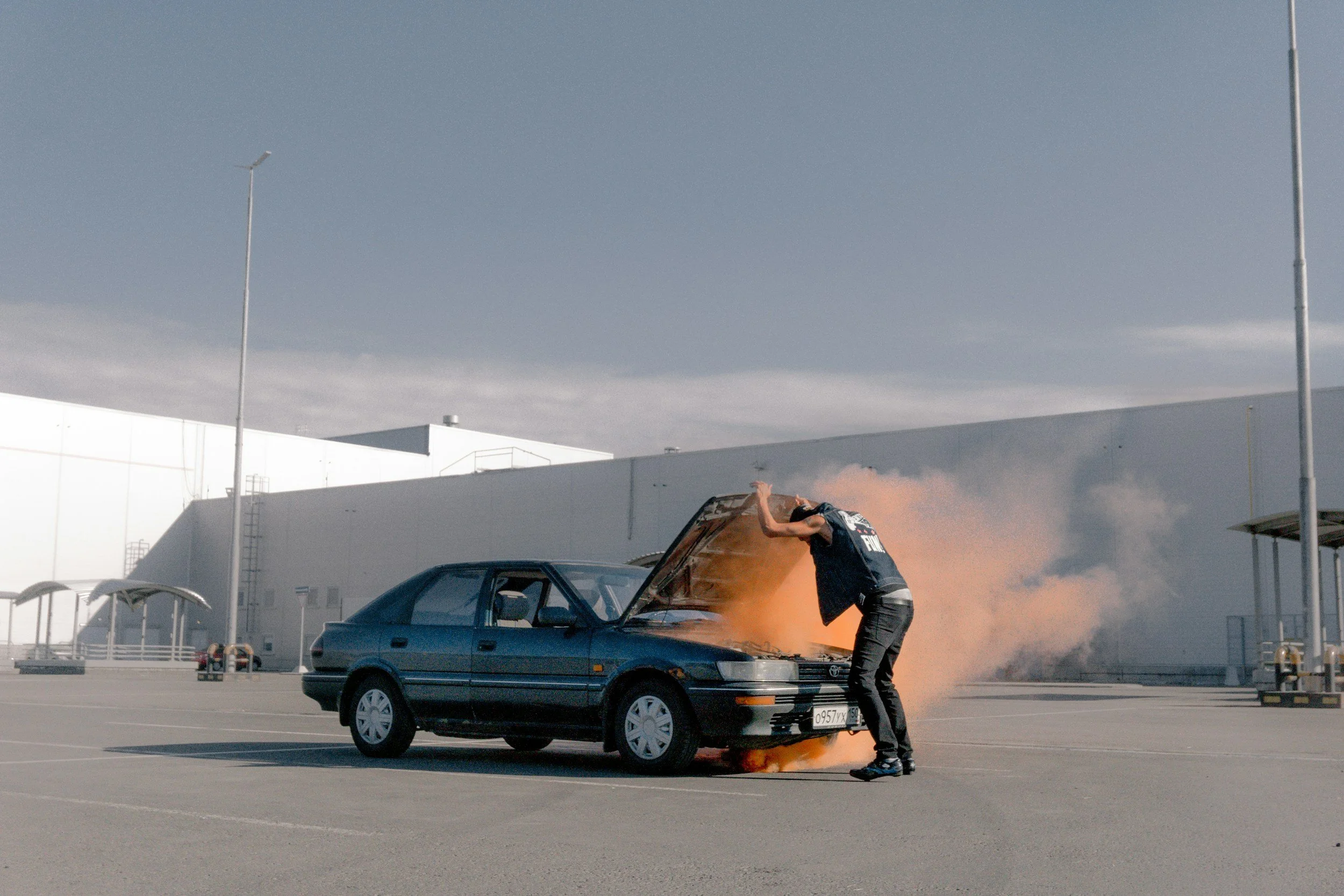
An engine running past its optimal operating temperature can transform a routine commute into an expensive repair bill in a matter of minutes. Engine overheating occurs when heat generation exceeds the cooling system’s capacity to dissipate it. Understanding the underlying car overheating reasons - from environmental strain to mechanical failure - is essential for preventing catastrophic damage like warped cylinder heads or a blown head gasket.
If your car appears to be overheating for any number of reasons, book an appointment and we will take a look.
Key Takeaways
Driving stress amplifies cooling flaws: Stop-and-go traffic, heavy payload towing, and extreme ambient heat push fragile cooling systems past their breaking point.
Oil is a secondary coolant: Low or degraded engine oil increases internal friction, spiking engine temperatures even if your coolant level looks normal.
Airflow matters as much as fluid: A clear radiator path and functioning cooling fan are vital when vehicle movement isn't providing natural wind clearance.
Immediate reaction saves thousands: Turning on the heater immediately pulls thermal energy from the block, giving you crucial seconds to pull over safely.
1. car overheating reasons: Real-World Driving Triggers
Even a properly functioning cooling system can be tested by specific driving environments that spike thermal stress.
1. Stop-and-Go Traffic
When stationary, your vehicle loses ram-air cooling - the natural airflow forced through the grille while moving at speed. In gridlock, cooling relies 100% on the radiator electric fan. If that fan or its relay is sluggish, heat rapidly builds up in the radiator core.
2. Heavy Towing and Uphill Grades
Towing a trailer or hauling heavy cargo forces the engine to burn more fuel per mile, dramatically increasing combustion chamber temperatures. On steep inclines, the engine runs under high load at lower speeds, reducing incoming air speed right when the engine produces maximum heat.
3. Hot Weather & A/C Demands
High ambient temperatures drastically reduce the heat-transfer differential between hot engine coolant and outside air. Running your air conditioner compounds the issue, as the A/C condenser sits directly in front of the radiator, releasing hot exhaust air onto its cooling fins. For an extra layer of protection during extreme heatwaves, review the National Highway Traffic Safety Administration (NHTSA) summer driving recommendations to prepare your vehicle before hitting the road.
2.Internal vs. External Causes of Overheating
Car overheating reasons fall into two major categories: mechanical failures inside the closed loop and airflow barriers outside the block. Staying on top of scheduled coolant flushes, oil changes, and hose inspections is your best defense against unexpected failures.
Following AAA certified maintenance guidelines ensures these critical components are inspected before heat-related wear causes a breakdown.
| Category | Primary Cause | Mechanism / Impact |
|---|---|---|
| Internal | Stuck Thermostat | Fails to open, trapping superheated coolant inside the engine block. |
| Internal | Failed Water Pump | Broken impeller or worn belt stops coolant circulation entirely. |
| Internal | Low or Dirty Engine Oil | Deprives internal components of essential lubrication, generating extreme friction heat. |
| Internal | Blown Head Gasket | Allows hot combustion gases to pressurize the cooling system and displace coolant. |
| External | Blocked Radiator Fins | Leaves, bugs, dirt, or plastic bags block frontal airflow through the heat exchanger. |
| External | Faulty Radiator Fan | Fails to draw air through the radiator core when stationary or at low speeds. |
| External | System Leaks & Bad Cap | Pinhole hose cracks or a faulty pressure cap cause system depressurization, lowering coolant boiling point. |
The Critical Role of Engine Oil
While coolant gets most of the attention, engine oil carries away roughly 10% to 15% of engine heat. Oil lubricates bearings, pistons, and camshafts. When oil levels drop low or the oil degrades into thick sludge, friction increases exponentially, adding a massive heat load that the cooling system cannot handle on its own.
3. Early Warning Signs to Watch For
Catching an thermal spike early prevents permanent metallic deformation in your engine.
Temperature Gauge Spike: The gauge needle creeps past the center mark into the red zone, or a red temperature warning light illuminates.
Cold Air from Heater: If you blast hot air and only cold air comes out, your coolant level may be so critically low that air pockets are trapped in the heater core.
Ticking or Knocking Sounds: High heat thins out motor oil, preventing it from forming a protective film between moving metal components.
Sweet Smell or White Steam: A sweet, maple-syrup-like smell inside or outside the cabin indicates vaporized coolant escaping from a leak. Engine coolant isn't just water; it relies on specific chemical formulations to maintain optimal ethylene glycol boiling and freezing point thresholds, preventing the fluid from boiling off under normal engine operating pressures.
4. Immediate Steps When Your Engine Overheats
If you notice warning signs or steam rising while driving, pull over safely and follow these emergency procedures:
Turn On the Heater and Turn Off A/C
Switch your climate control to maximum heat with the blower fan on high. The heater core acts as a secondary mini-radiator, drawing thermal energy directly out of the engine coolant. Turn off the A/C immediately to drop engine load.
Pull Over Safely and Idle
Safely pull over to the shoulder. If no steam or liquid leak is visible, leave the engine idling for 1 to 2 minutes. Sudden engine shutdown stops coolant circulation, causing heat-soak that can warp components. If steam is visible, shut off the engine immediately.
Pop the Hood Catch from Inside
Release the interior hood latch to allow trapped heat to escape. Do not touch or open the hood manually if steam is actively escaping to avoid severe thermal burns.
Wait at Least 30 Minutes Before Inspection
Allow the system to cool completely. Never attempt to remove the radiator or expansion tank cap on a hot engine—pressurized coolant above boiling temperature will spray violently and cause severe burns.
Don’t Let a Hot Engine Leave You Stranded
Preventive maintenance is always cheaper than a blown head gasket or an engine swap. Whether you’re gearing up for a summer road trip, towing heavy loads, or simply want peace of mind in daily traffic, keeping your cooling system in top shape is essential.
Noticed your temperature gauge creeping up lately? Don't wait for steam to force you off the road. Book a Cooling System Inspection Today with our certified technicians and drive with confidence.
“One of the few independent auto shops I trust implicitly. Their quotes have consistently come in bang on, their work is superior and they have earned my trust.”