Automobile safety

Car Has No Power at All? Why It Won’t Accelerate or Move

Few driving situations are more stressful than pressing down on the gas pedal and getting absolutely no response. When a car has no power at all, it isn't just a minor mechanical hiccup—it is a critical failure that prevents the vehicle from accelerating, keeping up with traffic, or moving from a dead stop.

Understanding why your vehicle has completely lost momentum is essential for staying safe on the road and avoiding catastrophic damage to your engine or transmission.

  1. What Total Power Loss Feels Like

  2. Major Causes When a Car Has No Power At All

  3. The Safety Hazards of Driving with Zero Power

Contact Hansma Automotive and book an appointment today if your car has no power at all.


Key Takeaways

  • Engine vs. Transmission: If the engine won't rev, look toward fuel, electrical systems, or Limp Mode. If the engine revs but the car won't move, it is an explicit transmission failure.

  • Limp Mode is a Shield: When Limp Mode locks your speed, the car is actively trying to prevent a total engine blowout.

  • Do Not Cruise: A vehicle with zero acceleration is an immediate safety hazard to you and everyone else on the roadway.

  • Check the Dashboard: A flashing check engine light or a transmission temperature warning confirms that catastrophic internal damage is imminent if you keep driving.

1. What Total Power Loss Feels Like

A total lack of power goes beyond a minor engine stutter. It usually manifests in one of three ways:

  • The Dead Pedal: You step on the accelerator, but the pedal feels completely unresponsive. The engine doesn't rev, and the vehicle refuses to speed up.

  • High Revs, No Movement: The engine roars and the tachometer needle climbs, but the vehicle coasts or moves at a literal crawl.

  • Sudden Deceleration: While driving at normal speeds, the vehicle rapidly drops velocity and will not pick up speed again, forcing you toward the shoulder.

2. Major Causes When a Car Has No Power At All

1. Total Fuel Pump Failure

An engine needs a continuous, high-pressure stream of fuel to run. If the fuel pump suffers a complete mechanical or electrical failure, the delivery of gasoline stops instantly. Without fuel hitting the cylinders, combustion cannot occur, causing the vehicle to immediately lose all acceleration before stalling out entirely.

2. Sudden Transmission Failure

If your engine is revving loudly but the car won't budge, the breakdown lies within the transmission. A snapped clutch, a broken torque converter, or a catastrophic internal fluid pressure loss means the mechanical energy generated by the engine cannot physically transfer to your wheels.

3. Electrical and Sensor Blackouts

Modern vehicles rely on an intricate electrical network to manage engine timing and throttle control.

  • Electronic Throttle Control (ETC) Failure: Many modern cars use "drive-by-wire" systems. If the sensor connecting your pedal to the throttle body fails, the engine computer has no idea you are stepping on the gas.

  • Alternator Failures: If your alternator stops charging the system, the vehicle will run purely on battery juice until it drains completely, causing a total shutdown of all engine management computers.

4. Limp Mode Activation

"Limp Mode" (or emergency fail-safe mode) is a protective software state triggered by the engine computer when it detects a severe mechanical anomaly. To save the engine from destroying itself, the car's computer intentionally cuts engine power, disables turbochargers, and locks the transmission into a single low gear. This allows you to "limp" safely to the side of the road, but eliminates normal acceleration.


3. The Safety Hazards of Driving with Zero Power

Attempting to push through a total power loss is incredibly dangerous. Operating a vehicle that cannot accelerate safely presents immediate risks:

  • The Rear-End Collision Hazard: If your vehicle suddenly drops speed on a high-speed roadway, drivers behind you will not expect the sudden deceleration, significantly increasing the likelihood of a high-impact rear-end crash.

  • Loss of Power Steering and Brakes: If the power loss causes the engine to stall completely while you are moving, you will lose your power steering assist and brake vacuum assist. The steering wheel will become incredibly heavy, and the brakes will require extreme physical force to slow the car down.

  • Stalling in Intersections: Lacking the power to clear a busy intersection leaves you stranded directly in the path of oncoming traffic.

The Final Verdict: Pull Over and Call a Professional

When a car has no power at all, your priority shifts entirely from completing your trip to safely exiting the roadway.

Do not attempt to drive the vehicle home or to a shop. Continuing to force an unpowered vehicle forward can permanently ruin an automatic transmission, crack an engine block, or cause an unexpected, dangerous highway stall.

  1. Safely navigate to the closest shoulder or parking lot.

  2. Turn on your hazard lights.

  3. Shut off the engine immediately.

  4. Call a tow truck to bring the vehicle to a certified mechanic for a full professional diagnostics test.

An expert diagnostic tool can pull the error codes directly from the vehicle’s control modules, pinpointing exactly which system went dark so your vehicle can be safely repaired and returned to the road.


Car Has No Power At All? Call Hansma Automotive

Don’t compromise your safety or risk catastrophic engine damage by ignoring a total loss of power. When your car refuses to accelerate or move, it is telling you that something is critically wrong under the hood.

For safe, reliable auto repair and a precise diagnostic check, contact the experienced team at Hansma Automotive today to schedule an inspection and get your vehicle safely back on the road.

If your car has no power, head to your trusted local mechanic this week to pinpoint the cause and get your vehicle back to its peak performance.

Ready to book your Diagnostic?


There’s nothing more reassuring than having a local mechanic who you can trust and know by name. My neighbour recommended Hansma six years ago and I haven’t looked back. Every interaction is friendly, and they consistently perform high quality work that they stand behind. I don’t feel like I’m ever being upsold.
— Ray Angod
 

Top 5 Car Overheating Causes - What Kitchener Drivers Need to Know

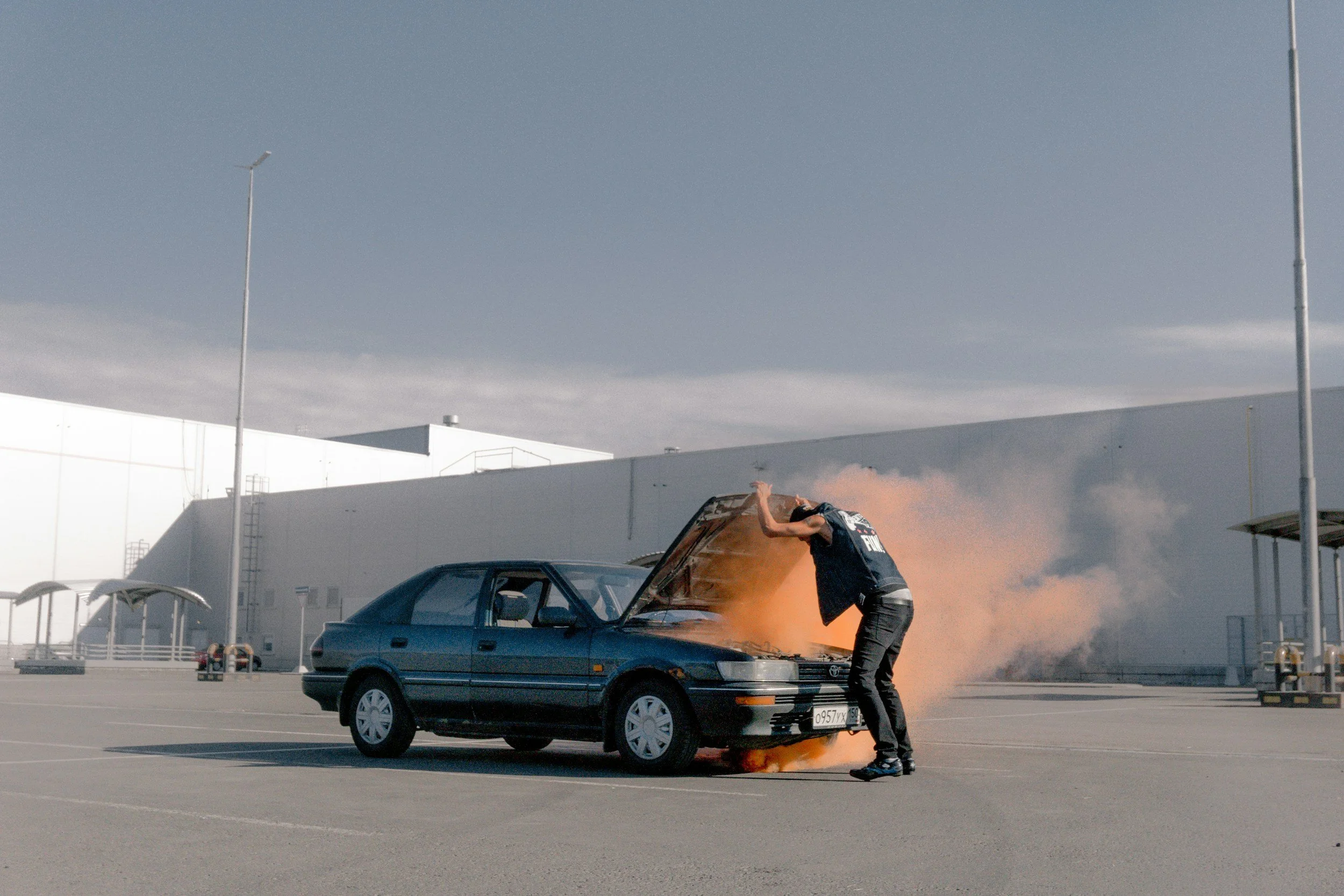
Driving through the Kitchener-Waterloo region - whether you’re stuck in Highway 8 construction or navigating the roundabouts of Laurentian Hills - is the last place you want to see steam billowing from your hood.

Car overheating isn't just a nuisance; it’s a potential engine-killer. Here is everything Kitchener drivers need to know about car overheating causes and how to protect your vehicle.

  1. Top 5 Car Overheating Causes

  2. Warning Signs to Watch For

  3. Proactive Car Overheating Prevention Tips for Kitchener Drivers

If you’ve noticed your temperature gauge creeping up or haven't had your cooling system inspected recently, the team at Hansma Automotive is here to help. Contact us today.


Key Takeaways

  • Coolant is King: Most overheating issues stem from low fluid or leaks.

  • Don't Ignore the Gauge: If the needle hits the red, pull over immediately.

  • Preventative Maintenance: Regular flushes and inspections save thousands in engine repairs.

Top 5 Car Overheating Causes

1. Low or Leaking Coolant

Coolant (antifreeze) is the lifeblood of your cooling system. If the level is low, the heat generated by the engine has nowhere to go. In Kitchener’s fluctuating climate, seals can expand and contract, leading to leaks in hoses, the water pump, or the radiator itself.

2. Faulty Thermostat

Think of the thermostat as a gatekeeper. It stays closed until the engine warms up, then opens to let coolant flow. If it gets stuck in the "closed" position, the coolant stays trapped in the radiator while your engine cooks.

3. Radiator Problems

Over time, radiators can become clogged with debris or "scale" (mineral buildup), preventing proper airflow and heat exchange. If the cooling fins are damaged or blocked by road salt and grime from Ontario winters, your engine's temperature will spike.

4. Failing Water Pump

The water pump is the "heart" that circulates coolant. If the internal impeller breaks or the pump develops a leak, the coolant sits still, and your engine temperatures will soar within minutes.

5. Broken Cooling Fan

When you're idling at a long light on Victoria St, you don't have natural airflow hitting the radiator. That’s when your electric cooling fan kicks in. If the fan motor or fuse fails, your car will likely overheat the moment you stop moving.


2. Warning Signs to Watch For

Your car usually acts as its own diagnostic tool, giving you several sensory "heads up" signals before the engine sustains permanent, costly damage.

  • The "H" Zone on the Dashboard: Most vehicles have a needle gauge or a digital bar. If it moves past the midpoint toward the "H" (Hot) or a red warning light illuminates, your engine is already outside its safe operating range.

  • Billowing Steam: If you see "white smoke" coming from the edges of the hood, it’s likely steam from boiling coolant. This often indicates a pressurized hose has finally snapped, or the radiator cap has failed.

  • The "Maple Syrup" Smell: Engine coolant contains ethylene glycol, which has a distinct, sickly-sweet aroma. If you smell pancakes while idling at a stoplight on King St., you likely have a coolant leak.

  • Metallic Thumping or Ticking: When an engine overheats, the oil thins out and loses its ability to lubricate moving parts. This results in a "ticking" sound from the valves or a heavier "thumping" from the engine block as metal expands and rubs against metal.

  • Reduced Engine Power: Many modern cars will enter "Limp Mode" to protect the engine. If your car suddenly feels sluggish or won't accelerate properly, it may be trying to prevent a total meltdown.


3. Proactive Car Overheating Prevention Tips for Kitchener Drivers

In Ontario, our vehicles deal with extreme temperature swings - from -25°C in January to +30°C in July. These expansions and contractions are brutal on your cooling system.

  • The "Cold" Coolant Check: Once a month, check your coolant reservoir level when the engine is completely cold. Never open a radiator cap on a hot engine, as the pressurized spray can cause severe burns.

  • Scheduled Coolant Flushes: Over time, coolant becomes acidic and loses its rust-inhibiting properties. While most manuals suggest every 50,000 to 100,000 km, Kitchener’s stop-and-go traffic may require more frequent service. A professional flush removes the "scale" and sediment that clog your radiator.

  • The Squeeze Test: With the engine off and cool, give your radiator hoses a firm squeeze. They should feel firm but pliable. If they feel "crunchy" (internal corrosion) or excessively soft and spongy, they are at risk of bursting under pressure.

  • Driveway Spot Checks: Develop the habit of glancing at your parking spot before you pull away. Puddles of bright green, orange, or pink fluid are a "smoking gun" for a cooling system leak.

  • Clear the Debris: After a winter of driving on the 401 or Conestoga Parkway, salt and road grime can cake the front of your radiator. Gently spraying the radiator fins with a garden hose can improve airflow and cooling efficiency.

An overheated engine can warp cylinder heads or crack the engine block—repairs that often cost more than the vehicle is worth. If you’ve noticed a rising temperature gauge or a strange smell under the hood, don't wait for the steam to appear.


Keep Your Cool with Kitchener’s Trusted Mechanics

Don’t wait for a cloud of steam on the Conestoga Parkway to tell you there’s a problem. At Hansma Automotive, we’ve been keeping Kitchener-Waterloo drivers on the road since 1987. Our team of expert technicians understands the unique stress our local climate puts on your cooling system - from bitter winter freezes to humid summer traffic jams.

Whether you need a routine coolant flush, a thermostat replacement, or a comprehensive pressure test to find that stubborn leak, we provide honest advice and high-quality service you can bank on.

Ready to book your inspection?

Trust Hansma for service that is "Second to None." Let’s make sure your vehicle is ready for the road ahead!


Honest, Reliable,& Excellent Service!
Easy Online Self Appointment Booking - pick up date, ask for a courtesy car, add notes! Highly Recommend! Book Early Spots Fill Up Quickly.
— Jean Dawson
 

Top 5 Car Maintenance Procedures to Keep Your Vehicle Running Strong

Regular car maintenance isn’t just about preventing breakdowns—it’s about protecting your investment and ensuring your vehicle stays safe, efficient, and reliable for years to come.

At Hansma Automotive in Kitchener, we offer a wide range of maintenance services designed to keep your car in top shape, whether you’re heading into another Canadian winter or planning a summer road trip.

Here are five of the top maintenance procedures we recommend to help extend the life of your vehicle.

  1. Oil Changes

  2. Rust Proofing

  3. Tire Swaps, Balancing, and Alignments

  4. Fluid Flushes

  5. Tune-Ups & Safety Checks

  6. Why Preventative Car Maintenance Matters

To book your next car maintenance appointment in Kitchener, contact us today.

1. Oil Changes

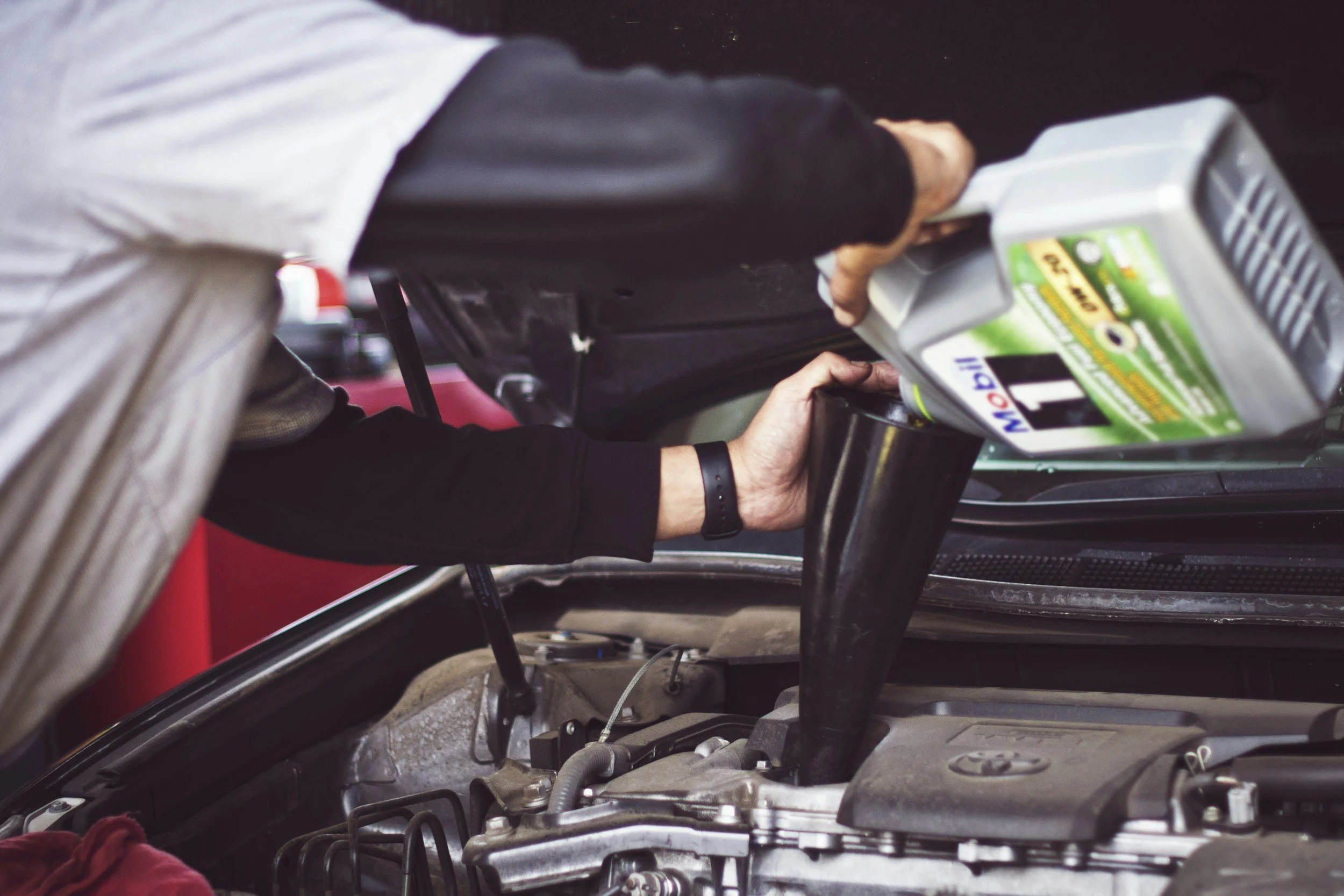
Changing your oil regularly is one of the simplest yet most effective ways to maintain your engine’s performance and avoid costly repairs.

Hansma Automotive recommends an oil and filter change every 5,000 kilometers to ensure that your engine stays lubricated and runs smoothly.

Old or dirty oil becomes thick and gritty over time, causing friction and overheating. If you run low on oil—or worse, run out completely—you risk catastrophic engine failure.

Our technicians will complete your oil change efficiently, using high-quality products and proper disposal methods.

Pro Tip: Set a reminder every 5,000 km so you never miss an oil change.

2. Rust Proofing

Ontario winters are tough on vehicles. Road salt, slush, and moisture can quickly lead to corrosion, especially underneath your car, where it’s hard to see.

That’s where rust proofing comes in.

At Hansma, we apply specialized rust inhibitors that form a protective barrier over vulnerable areas of your car’s frame, undercarriage, and seams.

This helps extend the lifespan of your vehicle, maintain structural integrity, and even preserve resale value. Annual rust protection is especially important before winter arrives.

Pro Tip: Don’t wait for rust to appear—prevent it before it starts.

3. Tire Swaps, Balancing, and Alignments

Your tires are the only part of your car that actually touch the road, so they deserve regular attention. At Hansma Automotive, we offer complete tire services, including:

  • Tire Swaps: Switch between winter and all-season/summer tires as the seasons change.

  • Balancing: Ensures each wheel rotates evenly, reducing vibrations and uneven wear.

  • Wheel Alignments: Helps your vehicle drive straight and prevents premature tire wear.

Misaligned wheels or uneven tire pressure can hurt your gas mileage, steering, and braking performance. Regular tire care helps you drive safely and saves money over time.

Pro Tip: Check your tire pressure monthly and rotate tires every 10,000 km.

4. Fluid Flushes

Your car runs on more than just gasoline. Fluids play a critical role in everything from shifting gears to stopping safely and seeing clearly.

That’s why regular fluid flushes and top-ups are an essential part of your car maintenance routine.

At Hansma, we inspect and service:

  • Transmission Fluid – Keeps your gears shifting smoothly

  • Brake Fluid – Crucial for responsive and safe stopping

  • Differential Fluid – Reduces wear in your drivetrain

  • Windshield Washer Fluid – Keeps your visibility clear

  • Chassis Lubrication – Ensures suspension and joints move smoothly

If any of these fluids are low, dirty, or neglected, they can lead to serious problems down the road.

Pro Tip: Watch for warning lights on your dashboard and schedule fluid checks seasonally.

5. Tune-Ups & Safety Checks

Even if your car seems to be running fine, regular tune-ups and safety checks are key to catching issues before they escalate.

Today’s tune-ups may look different from those in the past, but the goal remains the same: to keep your car operating at peak performance.

At Hansma, our safety checks cover important components like:

  • Spark Plugs – Poor spark plugs can reduce fuel efficiency by up to 30%

  • Fuel Filters – Should be changed every 15,000 km

  • Crankcase Vent Filters – Replace every 40,000 km

  • Vapour Canisters – Also replaced every 40,000 km

By staying on top of these items, you’ll enjoy better fuel economy, smoother starts, and improved reliability.

Pro Tip: Your owner's manual includes a maintenance schedule—follow it or contact us for personalized guidance.

6. Why Preventative Car Maintenance Matters

Preventative maintenance isn’t just about avoiding breakdowns—it’s about maximizing the lifespan, performance, and value of your vehicle. Staying on top of routine services like oil changes, fluid checks, and rust proofing helps you:

  • Avoid unexpected repairs: Small issues can be caught early before they become major, expensive problems.

  • Improve fuel efficiency: A well-maintained vehicle runs more smoothly and uses less fuel.

  • Extend vehicle life: Regular upkeep reduces wear and tear, helping your car run reliably for years to come.

  • Increase resale value: A documented service history shows buyers and dealers that your car has been properly cared for.

At Hansma Automotive, we make maintenance simple and stress-free. Not sure what your vehicle needs? Just ask—we’re happy to help you stay on schedule based on your car’s make, model, and mileage.


Book Your Car Maintenance Here

At Hansma Automotive, we believe preventative maintenance shouldn’t be complicated or stressful. That’s why we offer:

  • Certified technicians who know your make and model

  • Honest advice about what your car actually needs

  • Convenient scheduling and competitive pricing

  • A commitment to safety, quality, and customer satisfaction

Whether you're a new driver or someone who’s clocked countless kilometres, we're here to help you keep your car on the road and running strong.

If you’re unsure what maintenance is required, bring your vehicle in—we’ll walk you through the recommendations based on your driving habits and vehicle type.


Recently got a cabin filter changed in my car. It was a very quick and efficient job. Very friendly and professional staff as well. I would highly recommend and will be bringing my car back in the future should I need any further repairs/maintenance.
— John
 

Why Is My Heat Not Working In My Car?

Why Is My Heat Not Working In My Car?

There's nothing worse than hopping into your car on a frosty morning and realizing your heater is blowing cold air. If you're experiencing "Heat Not Working In My Car" woes, you're not alone.

This is a common automotive issue, and thankfully, often fixable.

Let's dive into the potential culprits and how to get your car toasty again.

Winter Tires vs. All-Season Tires

When the temperature drops and the snow begins to fall, many Canadian drivers face a crucial decision: should they stick with all-season tires or switch to winter tires?

While both tire types have their advantages, making the right choice can significantly impact safety, handling, and overall driving performance. In this article, we’ll break down the pros and cons of winter and all-season tires to help you determine which option best suits your needs.

5 Tips to Help Prep Your Vehicle for Winter

Winter can be a challenging season for drivers, with icy roads, snowstorms, and frigid temperatures putting your vehicle to the test.

Taking the time to prep your vehicle for winter can ensure it performs well and keeps you safe during the cold months. From winter tires to routine maintenance, here are five essential tips to get your vehicle ready for winter.

" "